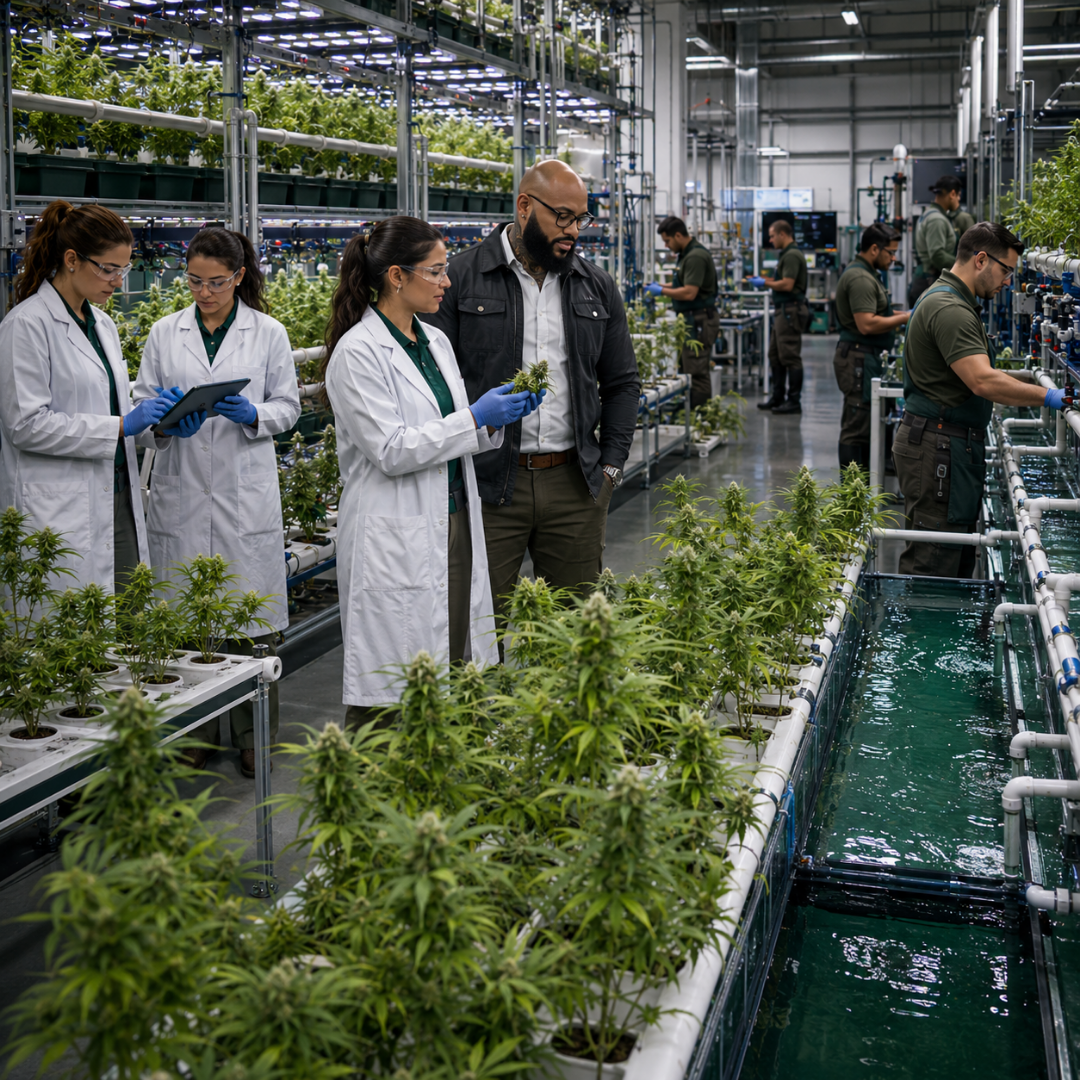
Commercial Hydroponic Systems Built Around Your Facility
Modern Way Gardens supports commercial growers with hydroponic-system planning, infrastructure assessment, equipment coordination, implementation support, maintenance, and operator training.
We evaluate the facility, water and power infrastructure, growing environment, production objectives, equipment requirements, and operational needs before defining the appropriate system approach.
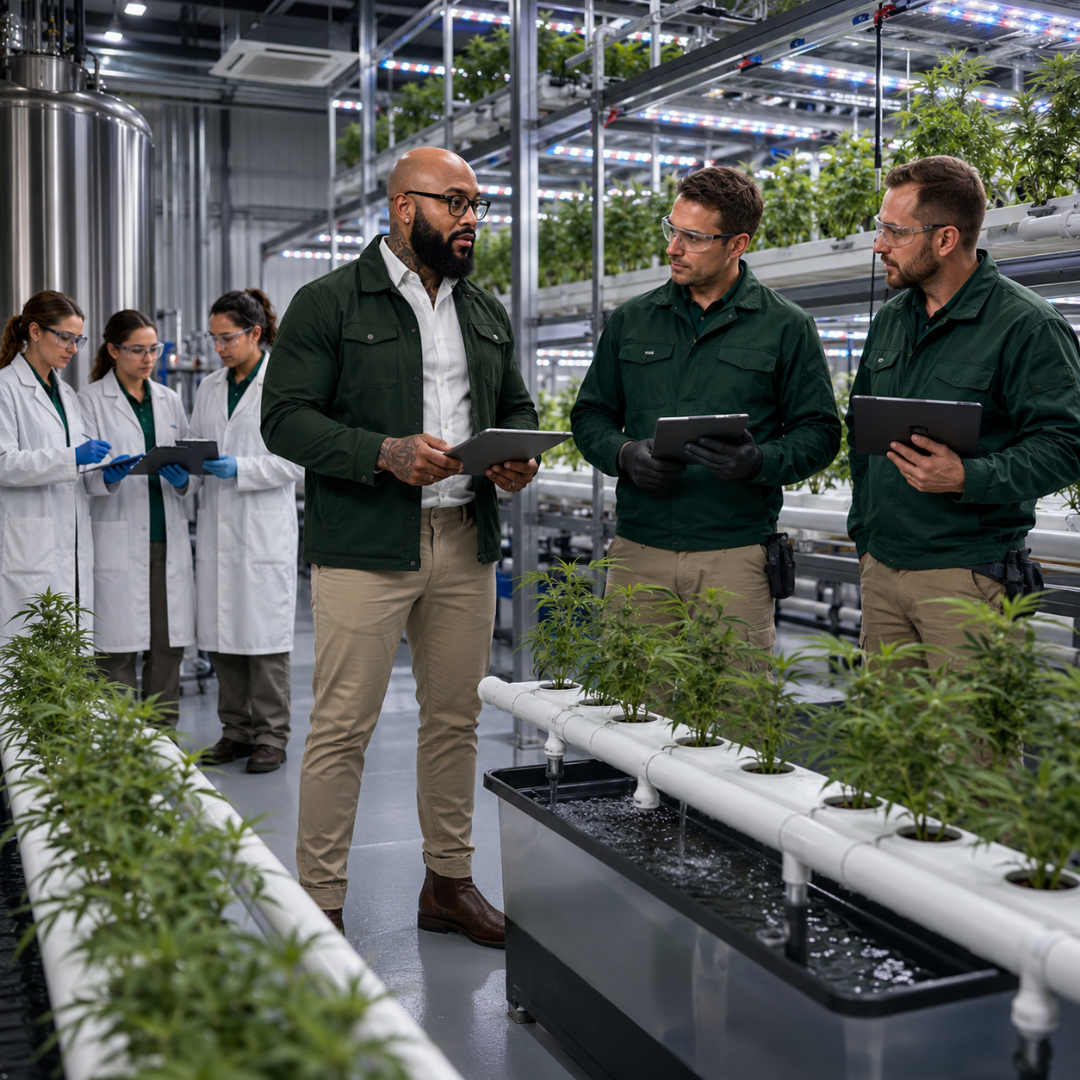
Design the System Around the Operation
Hydroponic cultivation is not a one-size-fits-all process. System selection depends on the facility, growing method, crop requirements, available infrastructure, production objectives, budget, and operating capabilities. Our role is to help commercial operators evaluate those requirements and develop a practical path from planning through implementation and operation.
Water Quality
Water quality directly affects system operation and nutrient delivery. Planning considers pH, dissolved minerals, EC, filtration, and water testing.
Sanitation & Biosecurity
Reviews cover cleaning procedures, equipment hygiene, water-system sanitation, plant movement, drainage, and operational controls.
Drainage & Recovery
Planning addresses drainage capacity, collection, recirculation, overflow protection, cleaning access, and wastewater management.
Redundancy & Risk
We evaluate redundancy for pumps, water delivery, environmental controls, and monitoring equipment to prevent single-point failures.
Alarms & Monitoring
Real-time tracking of water levels, pressure, flow, temperature, humidity, pH, EC, and equipment status with prioritized alarms.
Backup Power
Evaluation of backup-power needs, critical loads, transfer equipment, and emergency protocols to protect vital crop infrastructure.
Maintenance & Support
Preventive-maintenance schedules, equipment inspections, troubleshooting, replacement planning, and operational checklists.
Operator Training
Training covers system components, start-up/shutdown, monitoring, sanitation, routine maintenance, alarm response, and troubleshooting.
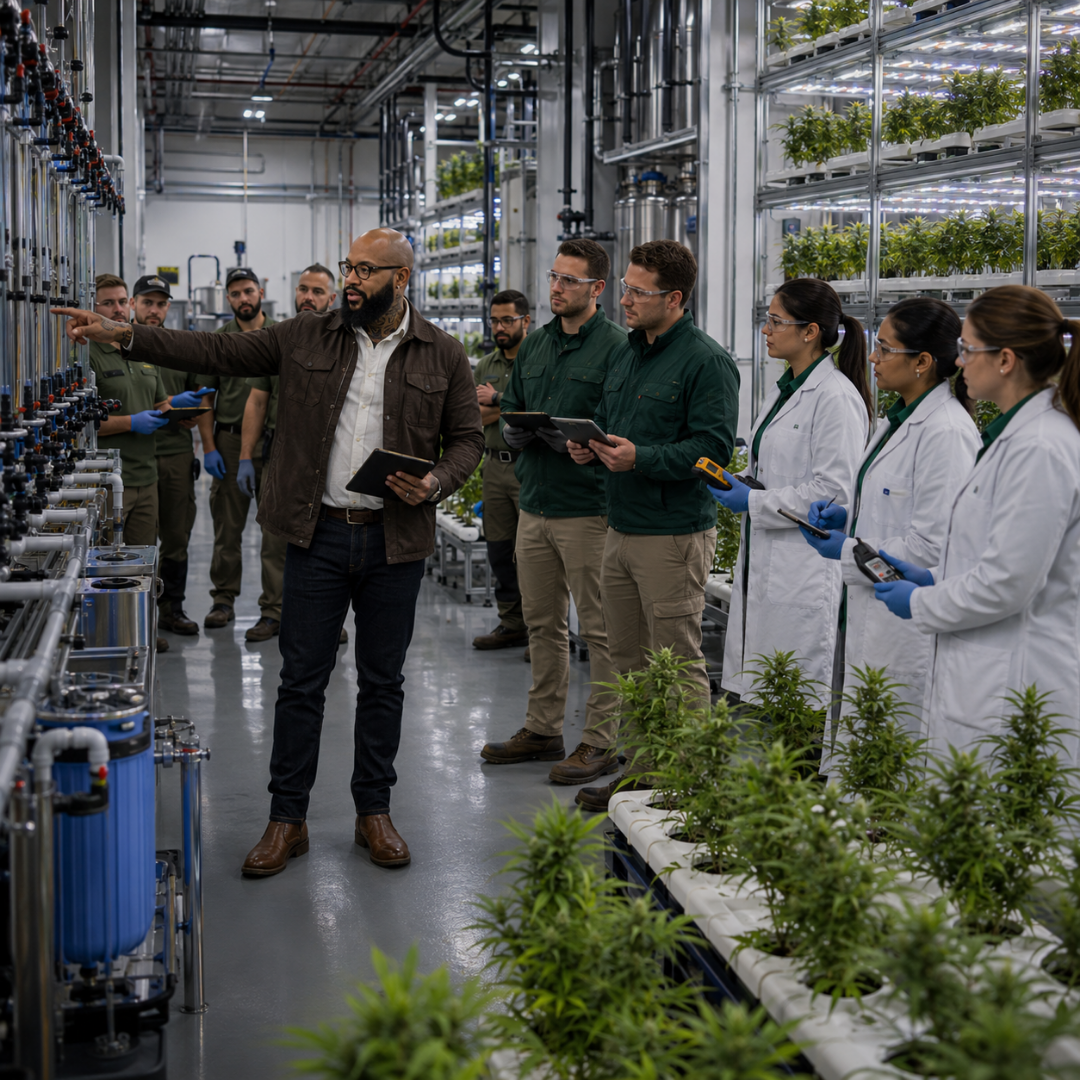
Hydroponic & Controlled Cultivation Configurations
Modern Way Gardens evaluates cultivation-system configurations according to project requirements and confirmed technical capabilities.
Drip Irrigation
A controlled water and nutrient delivery approach for substrate-based cultivation.
Flood & Drain
A recirculating approach that periodically floods the growing area before draining the solution.
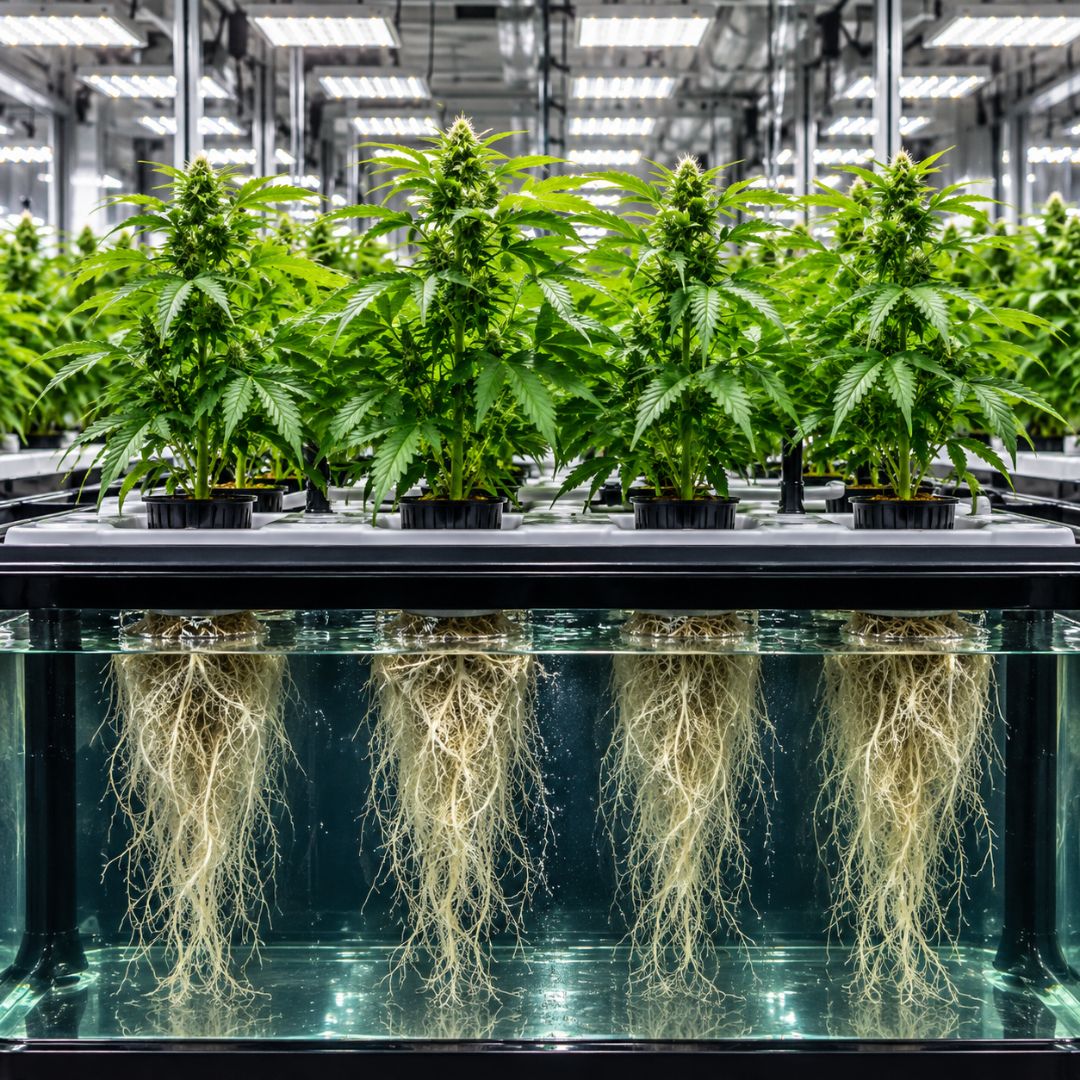
Deep-Water Culture
A system in which plant roots remain in a nutrient solution with appropriate oxygenation and circulation.
Nutrient-Film Technique
A system that delivers a controlled flow of nutrient solution across the root zone.
Aeroponics
A cultivation approach that delivers nutrients through a controlled mist or spray environment around the roots.
Substrate-Based Fertigation
A system combining a growing substrate with controlled irrigation and nutrient delivery.
Important: Final system selection depends on the facility, crop, infrastructure, operating requirements, and confirmed project scope. Only configurations supported by Modern Way Gardens should be represented as available.
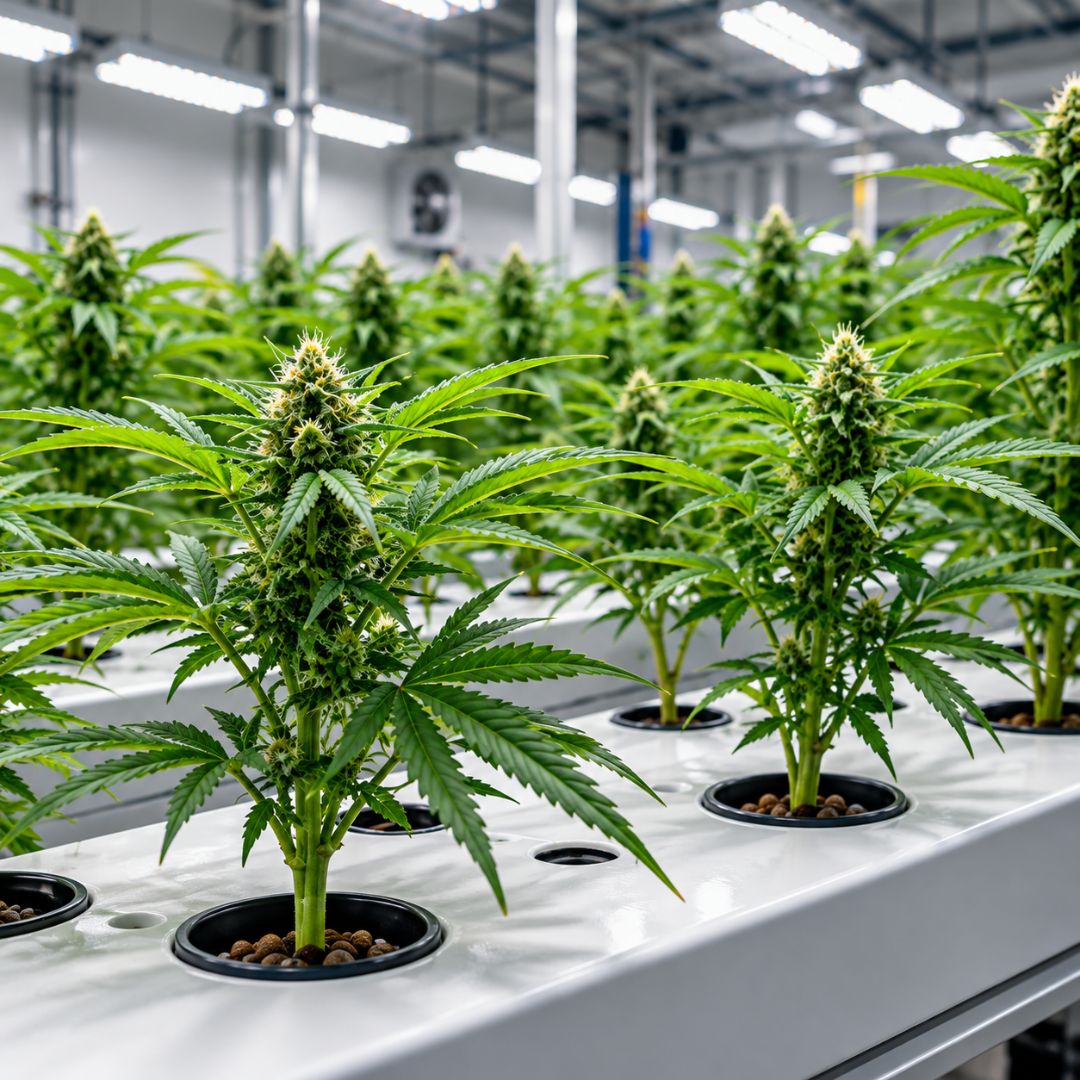
From New Facilities to Existing Operations
Our hydroponic-system work may support several commercial project profiles:
Indoor Cultivation Rooms
Planning and system requirements for controlled indoor growing environments.
Greenhouses
Hydroponic infrastructure designed around greenhouse conditions, available utilities, and cultivation objectives.
Propagation Rooms
System planning for environments focused on plant establishment and early-stage propagation.
Retrofits
Evaluation and improvement of existing cultivation infrastructure, equipment, and system layouts.
New Facilities
Early-stage planning for commercial cultivation projects from facility assessment through defined implementation requirements.
* Project availability and scope depend on facility location, requirements, and applicable services.
Defined Clearly From Planning to Operation
Modern Way Gardens' role is established according to the requirements of each engagement. Depending on scope, responsibilities may include:
Consulting & Assessment
Reviewing facility conditions, existing systems, and cultivation requirements.
System Planning & Design
Developing system concepts, layouts, equipment requirements, and considerations.
Equipment Coordination
Identifying and coordinating appropriate cultivation equipment where applicable.
Installation Coordination
Supporting implementation and coordinating required installation activities.
Maintenance & Support
Reviewing existing systems, maintenance schedules, diagnostics, and operations.
Operator Training
Helping designated personnel master monitoring, maintenance, and workflows.
Where projects require licensed electrical, plumbing, engineering, or other regulated trades, those responsibilities should be handled by appropriately licensed professionals or qualified project partners.
Information We Review Before Planning
To evaluate a hydroponic-system project, we may request the following information. Accurate project information helps determine system requirements and the appropriate engagement scope.
Facility location
Facility size & growing area
New build or retrofit status
Existing water infrastructure
Existing power infrastructure
Current cultivation system
Crop & production goals
Environmental controls
Equipment information
Budget range
Project timeline
Required services
What a Hydroponic Project May Include
From Assessment to Implementation
Facility Review
We collect info on facility, utilities, crop goals, and current setups.
System Planning
We evaluate requirements and engineer the appropriate scope.
Documentation
Layouts, equipment schedules, diagrams, and controls are finalized.
Implementation
Installation and coordination responsibilities proceed per scope.
Commissioning
System is verified in operation and personnel receive training.
Products and services are offered subject to availability, licensing, regulatory requirements, client qualification, geographic limitations, project scope, and written agreement.
Frequently Asked Questions
Planning a Commercial Hydroponic System?
Planning a new cultivation room, greenhouse, propagation environment, retrofit, or commercial hydroponic system? Share your facility information, existing infrastructure, cultivation objectives, budget range, and timeline with our team. We will review your inquiry and contact you regarding requirements, scope, availability, and next steps.