Practical Cultivation Strategies for Commercial Hemp Operations
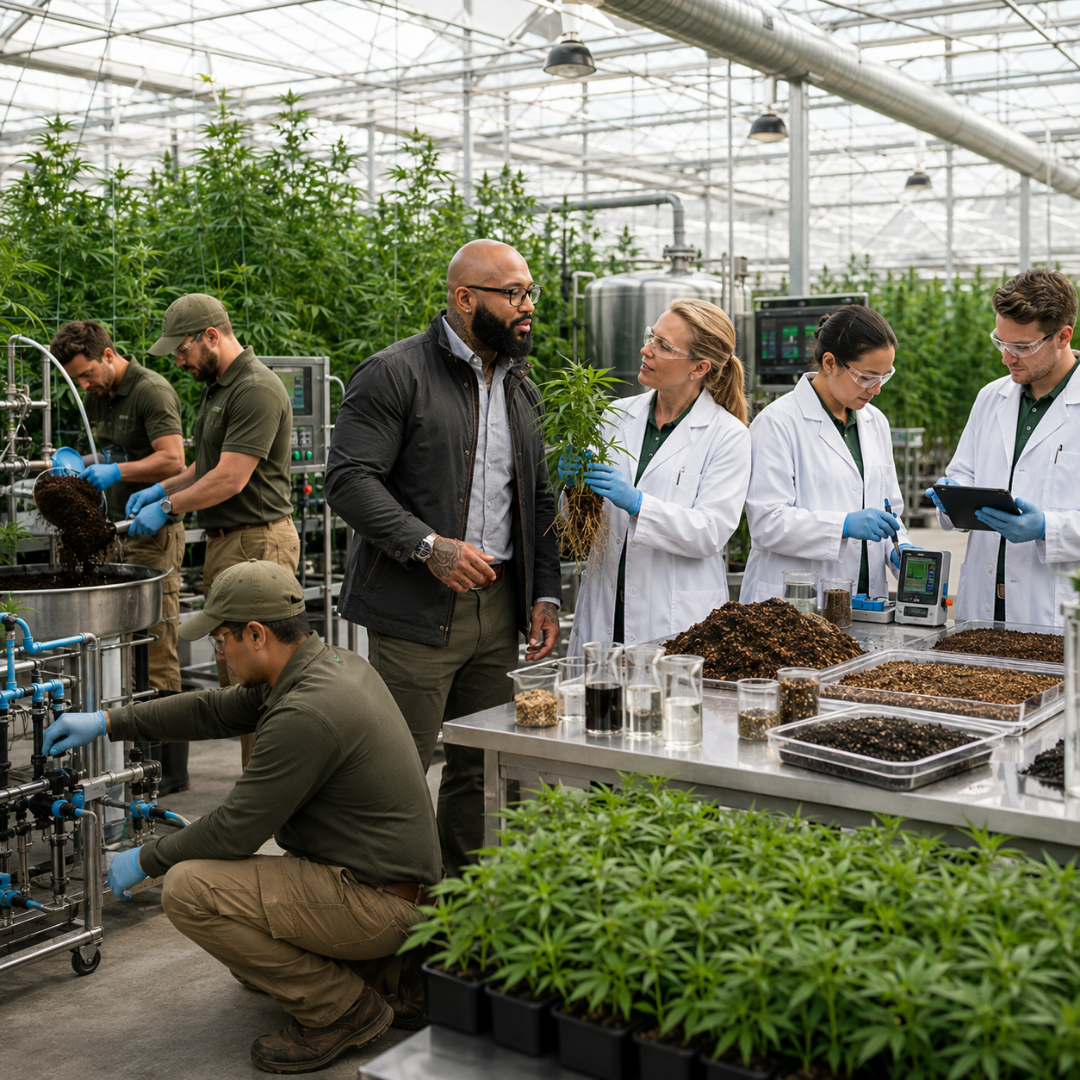
Modern Way Gardens supports qualified commercial growers with cultivation consulting focused on crop-management practices, facility conditions, cultivation systems, and day-to-day operating requirements.
We evaluate the relationship between genetics, nutrition, irrigation, lighting, environmental conditions, growing media, plant development, sanitation, and operational processes to help clients make informed cultivation decisions.
Support Built Around Your Operation
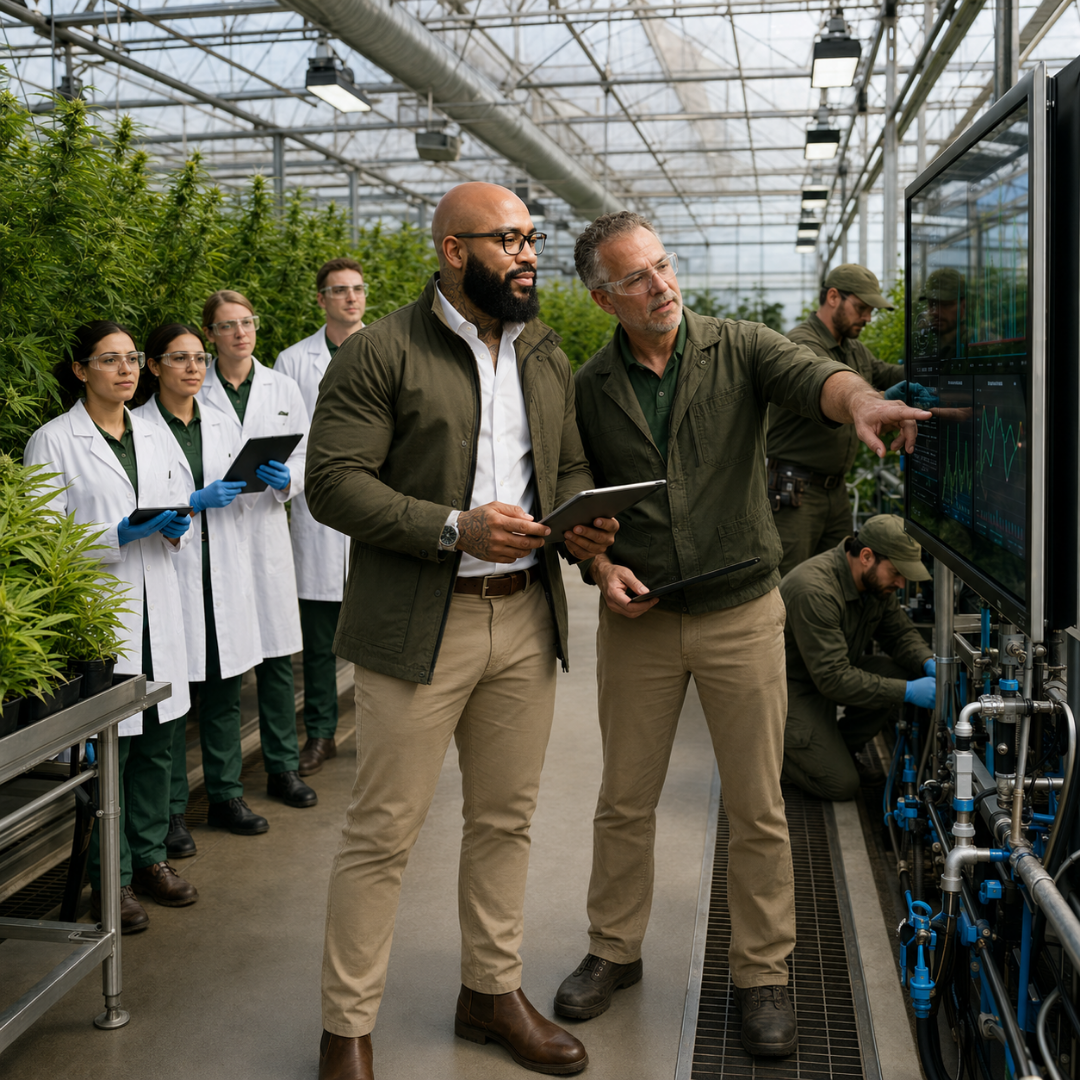
Commercial cultivation requires more than a single growing formula. Each facility has different infrastructure, environmental conditions, equipment, production objectives, and operating constraints. Our consulting process begins with understanding the current operation and identifying the areas that require evaluation, improvement, documentation, or additional support.
A Structured Look at Cultivation Performance
Depending on project scope, our assessment may include:
Facility Audit
Review of growing areas, infrastructure, workflow, equipment, and cultivation conditions.
Environmental Review
Assessment of temperature, humidity, airflow, lighting, environmental monitoring, and related controls.
Irrigation Assessment
Review of water delivery, irrigation practices, fertigation infrastructure, and operational requirements.
Nutrient-Program Review
Evaluation of current nutrient practices, water quality considerations, growing media, crop stage, and plant response.
Cultivation-System Review
Assessment of existing cultivation systems, equipment, workflows, maintenance requirements, and operating procedures.
Operational Assessment
Review of cultivation practices, staff responsibilities, monitoring routines, documentation, and areas requiring corrective action.
Cultivation Guidance Based on Actual Conditions
Nutrient requirements, irrigation practices, environmental conditions, and plant needs can change throughout the cultivation cycle. Our recommendations consider the crop stage, growing environment, cultivation method, water quality, growing media, plant response, and available operational resources rather than relying on one generalized program.
INTEGRATED PEST MANAGEMENT
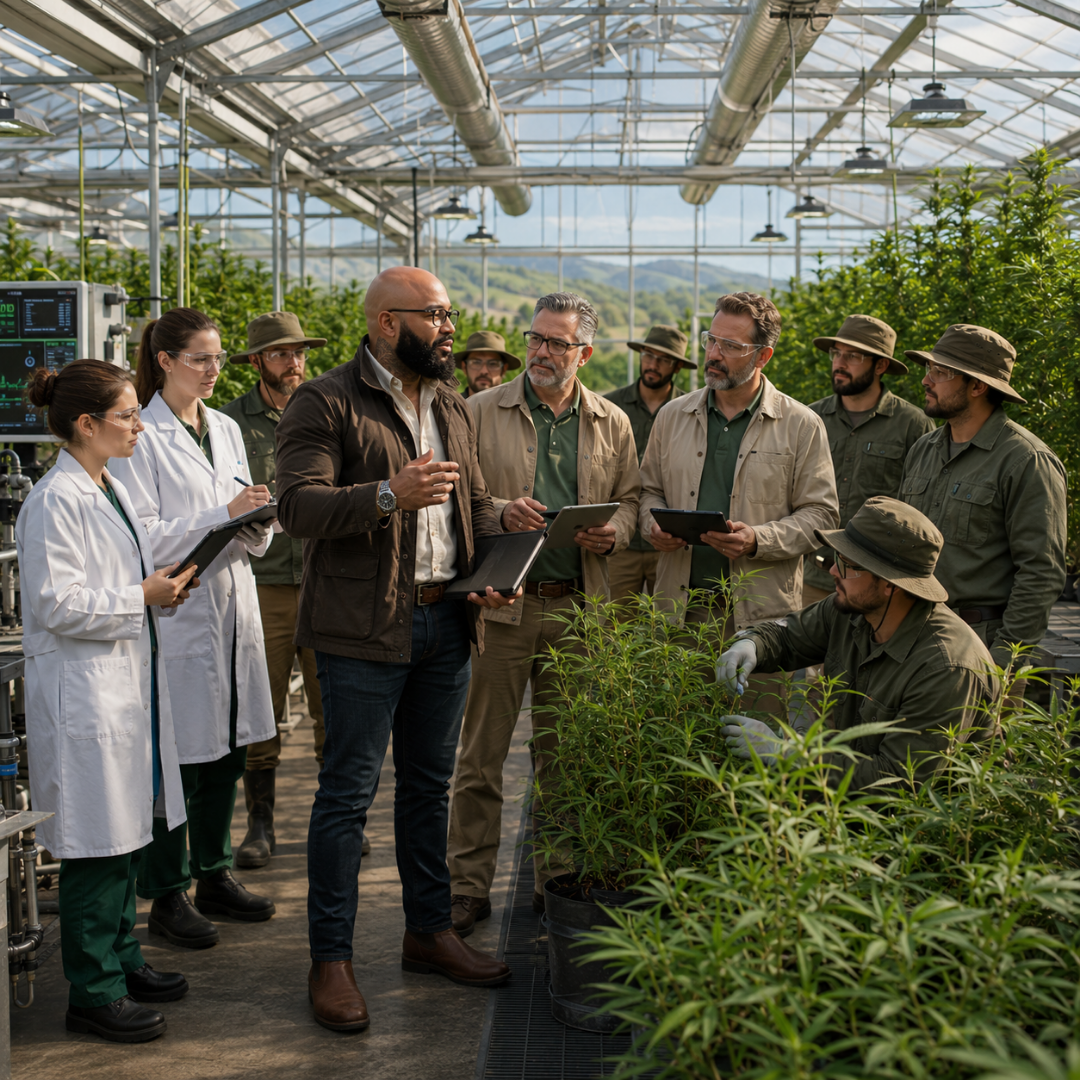
Where included within project scope, cultivation support may incorporate an integrated pest-management process focused on monitoring, identification, prevention, response, documentation, and corrective action. Recommendations reflect the facility, crop, and specific plant-health issues.
BIOSECURITY & SANITATION
Strong cultivation operations require consistent attention to sanitation and biosecurity. We review procedures involving personnel movement, equipment handling, plant-material movement, cleaning protocols, sanitation practices, and isolation controls.
CROP SCOUTING & MONITORING
Crop scouting helps cultivation teams identify changes before they become larger operational issues. Support covers plant inspections, environmental observations, pest or disease indicators, irrigation checks, and documentation of findings.
ENVIRONMENTAL DATA
Environmental data helps cultivation teams understand how growing conditions change throughout an operating cycle. Our review covers temperature, humidity, lighting, airflow, and water conditions, establishing practical logging procedures.
CORRECTIVE ACTION
When a cultivation issue is identified, the response should be documented and evaluated. Support includes identifying root causes, documenting contributing factors, assigning action items, establishing follow-up steps, and tracking outcomes.
STANDARD OPERATING PROCEDURES
Consistent operations depend on clear procedures. Where included, we help develop or review standard operating procedures covering cultivation activities, system operation, sanitation, monitoring, maintenance, crop scouting, and documentation.
What a Consulting Engagement May Include
Depending on the project, deliverables may include:
* Final deliverables are defined before work begins and may vary by project.
Give Operators Clear Responsibilities
Cultivation systems depend on trained personnel who understand their responsibilities and operating procedures. Training may cover system operation, environmental monitoring, crop scouting, sanitation, routine maintenance, documentation, and escalation procedures based on the client's facility and agreed scope.
Keep Cultivation Processes Organized
Where applicable, cultivation support may include preventive-maintenance planning, equipment review, operating checklists, maintenance schedules, troubleshooting support, and coordination of follow-up actions. Specific responsibilities depend on the equipment, facility, service agreement, and project scope.
Understand the Risks Before They Become Problems
A commercial cultivation review can identify operational risks involving equipment, environmental conditions, irrigation, sanitation, plant health, staffing, maintenance, documentation, and workflow. Where appropriate, findings can be organized into a risk register showing the issue, potential impact, priority, recommended action, responsible party, and follow-up status.
Start With the Right Information
To evaluate a cultivation-support engagement, we may request the following details. Providing accurate information helps determine the appropriate scope and next steps.
Facility location
Operation type
Facility stage
Current cultivation method
Existing equipment
Primary operational challenge
Current team structure
Available environmental / crop records
Desired deliverables
Project timeline
Products and services are offered subject to availability, licensing, regulatory requirements, client qualification, geographic limitations, project scope, and written agreement.
Frequently Asked Questions
Tell Us About Your Operation
Whether you need a cultivation assessment, operational review, SOP development, staff training, or ongoing technical support, begin with your facility and project requirements. Our team will review your inquiry and contact you regarding scope, required information, availability, and next steps.